

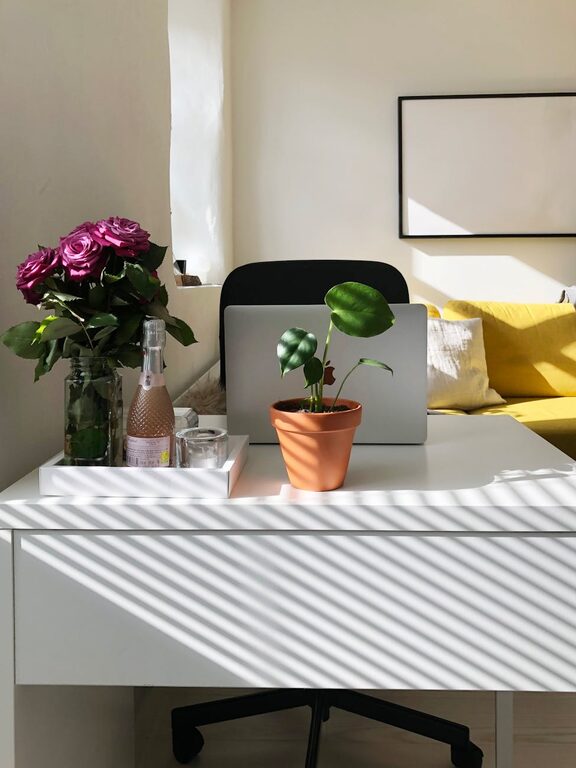
Creating a home office that feels both productive and comfortable is essential for anyone working remotely or running a business from home. A well-designed workspace not only helps you stay focused but also promotes wellbeing during long hours of work. Whether you have a dedicated room or a small corner, these tips will guide you in setting up an environment where you can thrive.
Choose the Right Location
Selecting the right part of your home for your office is the first step. Ideally, pick a spot that:
– Has plenty of natural light to reduce eye strain and lift your mood.
– Is relatively quiet and free from distractions.
– Offers enough space for your desk, chair, and any equipment you need.
If space is limited, consider creating a designated workstation that you can set up and pack away easily.
Invest in a Quality Chair and Desk
Comfort is crucial to maintain productivity and avoid physical strain.
– Ergonomic Chair: Choose a chair that supports your lower back, allows adjustment of height, and encourages good posture.
– Appropriate Desk Height: Your desk should let your arms rest comfortably while typing and keep your monitor at eye level.
– Consider Alternatives: Adjustable standing desks or desk converters can give you flexibility to change positions throughout the day.
Proper furniture helps prevent discomfort and repetitive strain injuries.
Optimize Lighting
Good lighting reduces eye fatigue and enhances focus.
– Natural Light: Position your desk near windows if possible, but avoid glare on your screen.
– Task Lighting: Use adjustable desk lamps for focused illumination during nighttime or cloudy days.
– Ambient Light: Soft overhead lighting helps reduce harsh contrasts and shadows.
Using a combination of lighting options creates a balanced and inviting atmosphere.
Organize and Declutter Your Workspace
A tidy workspace clears your mind and improves efficiency.
– Storage Solutions: Use shelves, filing cabinets, or drawers to keep documents and supplies orderly.
– Desk Accessories: Invest in organizers for pens, cables, and other small items.
– Minimalist Approach: Keep only the essentials on your desk to maintain focus.
Regularly declutter to avoid build-up of unnecessary items.
Incorporate Personal Touches
Adding elements that you enjoy can make your home office more inviting.
– Plants: Indoor plants improve air quality and add a natural, calming element.
– Artwork or Photos: Choose images that inspire or relax you.
– Color Scheme: Use colors that promote productivity, like soft blues or greens.
Personalization helps you feel connected to your space and motivated.
Manage Technology Efficiently
Reliable and well-arranged technology is key to smooth workdays.
– High-Speed Internet: Ensure your connection is stable and fast enough for your tasks.
– Cable Management: Use clips or sleeves to keep cords organized and out of the way.
– Equipment Setup: Position your keyboard, mouse, and monitor to avoid strain; consider dual monitors if needed.
Backing up data regularly and keeping software updated also maintain productivity.
Create Boundaries and Routines
Separating work from home life is vital, especially when both occur in the same space.
– Set Work Hours: Define your start and finish times to maintain balance.
– Use Physical Cues: Closing a door or using a room divider signals the beginning and end of the workday.
– Take Breaks: Schedule short breaks to stretch, hydrate, and rest your eyes.
Clear boundaries help your mind switch between work mode and relaxation.
Maintain Good Air Quality and Temperature
Comfort also depends on the physical environment.
– Ventilation: Open windows or use air purifiers to ensure fresh air circulation.
– Temperature Control: Use fans, heaters, or air conditioning to keep the room at a comfortable temperature.
– Humidity: Maintaining moderate humidity prevents dryness and discomfort.
A pleasant environment supports sustained concentration.
Final Thoughts
Designing a home office that balances productivity with comfort may take some trial and error, but the benefits are well worth it. By choosing the right location, investing in ergonomic furniture, organizing effectively, and creating a pleasant atmosphere, you’ll establish a workspace that supports your best work every day. Remember, your home office should evolve with your needs, so continue adjusting and improving it as your work style changes.