

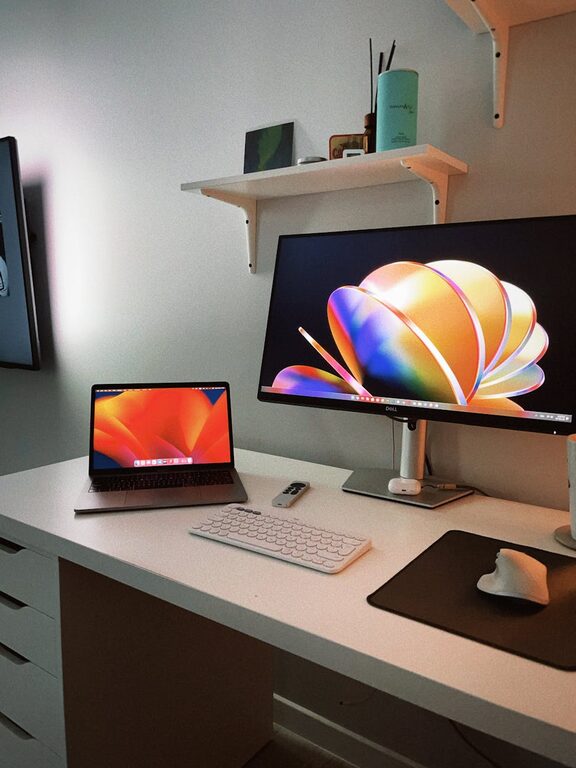
Creating and maintaining an organized workspace is essential for fostering productivity and encouraging creativity. A cluttered desk or a disorganized office can lead to distractions, stress, and even decreased motivation. Whether you work from home or in a shared office, cleaning up your work area and arranging your tools and materials efficiently can make a noticeable difference. In this post, we’ll explore practical tips to help you create a clutter-free workspace that supports your best work.
Why a Clutter-Free Workspace Matters
Your environment greatly influences your mindset and how effectively you work. When your workspace is tidy and well-organized, it’s easier to focus on the tasks at hand without the distraction of scattered papers, tangled cables, or miscellaneous items. Additionally, an orderly space can inspire creativity by giving you a clear canvas to generate ideas and solve problems.
Step 1: Clear Everything and Start Fresh
Before you start organizing, it’s important to do a thorough clean-up.
– Remove everything from your desk and shelves.
– Sort items into categories: keep, recycle, donate, or trash.
– Wipe down surfaces to create a fresh, clean base.
Starting from a clean slate allows you to reassess what you really need in your workspace.
Step 2: Assess Your Needs and Priorities
Not every item currently on your desk is essential. Ask yourself:
– Which tools or supplies do I use daily?
– What items can be stored away but still be accessible?
– Are there any products or documents I no longer need?
Focus on keeping only what supports your daily workflow within easy reach.
Step 3: Use Smart Storage Solutions
A clutter-free desk benefits greatly from using proper storage items to contain and organize your belongings.
Desk Organizers
– Trays and small bins for pens, paperclips, and office supplies.
– Vertical file holders for documents, folders, and notebooks.
– Drawer dividers to keep smaller items separated.
Shelving and Cabinets
– Use shelves for books, binders, and larger items you don’t use all the time.
– Keep reference materials within reach but out of your immediate workspace.
Cable Management
– Use clips, sleeves, or ties to organize cables and reduce tangling.
– Position chargers and adapters conveniently to avoid mess.
Step 4: Establish Zones for Different Tasks
If your work involves multiple activities (computer work, paperwork, creative tasks), consider setting up distinct zones.
– Computer Zone: Place your computer, keyboard, and mouse here.
– Writing Zone: Keep notebooks, pens, and planners ready.
– Creative Zone: Allocate space for sketchpads, art supplies, or brainstorming tools.
Zoning helps you mentally switch between tasks and keeps necessary items organized by purpose.
Step 5: Develop Daily and Weekly Habits
Organization isn’t a one-time effort; it requires ongoing attention.
– At the end of each day, spend five minutes tidying your desk.
– File important papers immediately instead of stacking them.
– Weekly, do a deeper clean and check for unnecessary clutter.
These habits prevent buildup and keep your workspace consistently orderly.
Step 6: Personalize Your Space Wisely
Adding personal touches to your workspace can boost creativity and mood. However, avoid overloading your desk with too many decorative items.
Suggestions:
– A small plant for a calming effect.
– A photo or inspirational quote.
– Minimalistic desk accessories that combine beauty and function.
Balance personalization with practicality to maintain a professional and inviting workspace.
Step 7: Optimize Lighting and Ergonomics
An organized workspace also considers comfort and efficiency.
– Position your desk near natural light if possible.
– Use task lighting for focused work.
– Ensure your chair and desk are adjusted to support good posture.
Comfort can help you stay focused longer and reduce fatigue.
Step 8: Digitize When Possible
Reduce paper clutter by digitizing documents and notes.
– Use apps for note-taking and task management.
– Scan important documents and store them safely on your computer or cloud.
– Keep digital files organized with clear folder names and consistent structure.
This reduces physical clutter and makes information easier to find.
—
Final Thoughts
A clutter-free workspace is a foundation for clear thinking and effective work. By regularly decluttering, using smart storage, creating focus zones, and maintaining good habits, you can build a productive space that encourages creativity and reduces stress. Start small with one or two changes today, and enjoy the benefits of working in a clean and inspiring environment.