

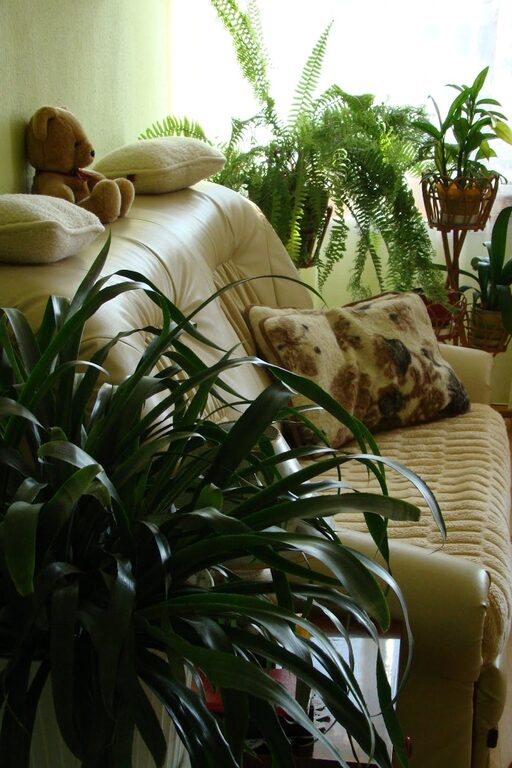
Creating a relaxing home environment is essential for your overall well-being. With the demands of daily life, your home should serve as a peaceful retreat where you can recharge and feel comfortable. Fortunately, creating a calm and inviting space doesn’t require a complete interior overhaul. Small, intentional changes can make a big difference.
In this post, we’ll explore practical tips to help you turn your home into a sanctuary of relaxation and comfort.
Why a Relaxing Home Environment Matters
Your surroundings influence your mood and stress levels more than you might realize. A cluttered, noisy, or chaotic space can increase feelings of anxiety, while a clean, calm, and harmonious environment promotes relaxation and helps you unwind after a busy day.
By designing a relaxing home, you create a supportive backdrop for restful sleep, focused work, joyful hobbies, and meaningful connections with family and friends.
Declutter to Clear Your Mind
One of the easiest ways to start relaxing at home is decluttering.
– Simplify your space: Remove items you no longer use or love. Clear surfaces and organize storage areas so that everything has a place.
– Use storage solutions: Baskets, bins, or decorative boxes help keep things tidy while adding a touch of style.
– Adopt a regular routine: Spend a few minutes each day putting things away to maintain a clutter-free environment.
Decluttering reduces visual noise and helps your mind feel less overwhelmed.
Choose Soothing Colors
Colors have a strong impact on emotions. Selecting the right palette for your home can boost calmness and create a restful atmosphere.
– Soft neutrals: Shades like beige, soft gray, and white are timeless and create a clean, airy feel.
– Earth tones: Warm browns, gentle greens, and terracotta bring nature’s tranquility indoors.
– Cool blues and greens: These hues promote relaxation and reduce stress, making them ideal for bedrooms or living rooms.
Avoid overly bright or harsh colors that might cause visual tension.
Use Natural Light and Soft Lighting
Lighting plays an important role in shaping your mood and comfort at home.
– Maximize natural light: Keep windows unobstructed to allow sunlight to fill your spaces during the day.
– Incorporate soft, warm lights: When natural light fades, use lamps with warm bulbs, fairy lights, or dimmable fixtures to create a cozy ambiance.
– Avoid harsh overhead lighting: Use layers of light from different sources to reduce glare and add depth.
Natural and soft lighting helps regulate your body’s internal clock and fosters relaxation.
Bring Nature Indoors
Plants and natural elements promote a sense of calm and improve indoor air quality.
– Add houseplants: Easy-care plants like snake plants, pothos, or peace lilies brighten your space and help purify the air.
– Use natural materials: Incorporate wood, stone, or woven textures in furniture and decor for an earthy vibe.
– Display natural objects: Shells, pinecones, or flowers can bring subtle beauty and connection to nature.
Spending time near greenery has been shown to lower stress hormones and enhance mood.
Create Cozy Comfort Zones
Set aside areas in your home that encourage relaxation and comfort.
– Reading nook: A comfy chair or window seat with cushions and soft blankets invites quiet time.
– Meditation or yoga space: Dedicate a corner with a mat, candles, or an essential oil diffuser for mindfulness practice.
– Soft textiles: Use plush rugs, pillows, and throws to add warmth and tactile comfort to your rooms.
Comfort zones help you recharge mentally and physically.
Control Noise Levels
Noise can disrupt peace and sleep, so managing sounds in your home is important.
– Use rugs and curtains: Fabric surfaces absorb sound and reduce echo.
– Add white noise machines or fans: These can mask disruptive noises from outside.
– Consider noise-canceling window treatments: Thick curtains or double-glazed windows help block unwanted sounds.
A quieter home supports focus, rest, and emotional balance.
Incorporate Pleasant Scents
Fragrance is a subtle but powerful way to influence your emotions and home atmosphere.
– Essential oils: Lavender, chamomile, and eucalyptus are popular for relaxation.
– Candles and incense: Choose natural, non-toxic options and enjoy their gentle aromas.
– Fresh flowers: Beyond their visual appeal, flowers add a fresh scent that lifts the spirits.
Be mindful of allergies and keep scents mild rather than overwhelming.
Establish a Routine that Supports Relaxation
A relaxing home environment also depends on how you use your space daily.
– Create routines: Set specific times for unwinding activities such as reading, stretching, or listening to calming music.
– Limit technology use: Designate technology-free zones or times to disconnect and reduce stress.
– Personalize your space: Surround yourself with things that bring joy and comfort, like photos or meaningful keepsakes.
Intentional habits reinforce the calming vibe of your home.
Final Thoughts
Making your home a relaxing sanctuary is a worthwhile goal that benefits your mind and body. By decluttering, choosing soothing colors, optimizing lighting, introducing nature, creating comfort zones, managing noise, adding pleasant scents, and supporting relaxing routines, you can enjoy a peaceful, nurturing environment every day.
Start with one or two small changes and notice the positive effects on your well-being. Over time, your home can truly become your favorite place to relax and recharge.